



HELP MUSICIANS AND COVID-19
The plight of musicians in the Coronavirus pandemic is now becoming desperate, as the vast majority are falling between the cracks in Government support.
The new sobering statistics are that 34% of musicians are considering abandoning the music industry entirely (with many having found other forms of work already) and 87% of musicians covered by furlough and self-employment support schemes so far will face financial hardship from October.
The new Sunak Job Support Scheme offers no help as the industries around music struggle, with many venues and promoters going to the wall - musicians jobs are almost the very definition of ‘unviable’ under the current terminology. Whatever one’s view of the situation, it is Government restrictions on public performances that have contributed significantly to the demise of music and theatre, making the entertainment industry a prime candidate for sector-specific support, but none has been offered.
So, as the Government seems passive in the face of the infinite riches of music and theatre sliding into oblivion, the opportunity to help musicians ourselves arises. The John Harle Collection has been my own lockdown project, with all proceeds received by Sospiro Records from the sale of digital albums and CD Collections going to the Help Musicians Coronavirus Hardship Fund Phase 2.
You can read about the Help Musicians fund HERE
Obviously, this crisis goes beyond a single musician and a single project, and clearly you don’t have to buy an album to contribute.
Direct donations to the Help Musicians fund can be made HERE
All the more ironic of course that people turn to music for solace in these times.
Thanks for listening.
John Harle
Click on an Album to see and hear more




Press


The John Harle Collection
The definitive archive recordings - a 20 volume career retrospective
spanning 40 years of multi-genre repertoire
in aid of
The Help Musicians Coronavirus Financial Hardship Fund Phase 2
The Coronavirus lockdown has been a challenging time for many artists. Most have learned to embrace new technology and profess to have made use of their time creatively. However, few can make claim to producing an astonishing twenty-album collection in just 5 months, but composer, saxophonist, record producer and educator John Harle, did just that.
John Harle needs no introduction. With such a jaw-droppingly prolific biography it’s almost easier to say what he hasn’t done, than what he has. He’s released so many albums that he’s lost count, and has written music covering a gamut of genres including opera, modern jazz, saxophone concertos, film scores, classical music and even lounge. He’s been musical director and producer for a raft of big names including Elvis Costello, Marc Almond, Herbie Hancock and Sir Harrison Birtwistle, and was artistic advisor and producer to Sir Paul McCartney for six years. He also wrote the theme to BBC1's Silent Witness, which is still being used after 20 years.
The John Harle Collection is a 20-volume set of music that straddles his illustrious career from 1977 – 2020 spanning multiple musical disciplines - as both player and composer - in classical, jazz and pop with an array of collaborators. The collection has been curated and produced by Harle himself. It is deeply personal and has become what he refers to as something of a “sonic autobiography”.
Since the beginning of his career, Harle has collected recordings of all his live and studio performances. So, sifting through hundreds of recordings on multitrack analogue tape, 1/4-inch analogue – even cassette – alongside digital formats such as DAT, DA8 and old WAVs, to compile a 20 CD collection proved a monumental challenge, but one that he’s risen to with gusto.
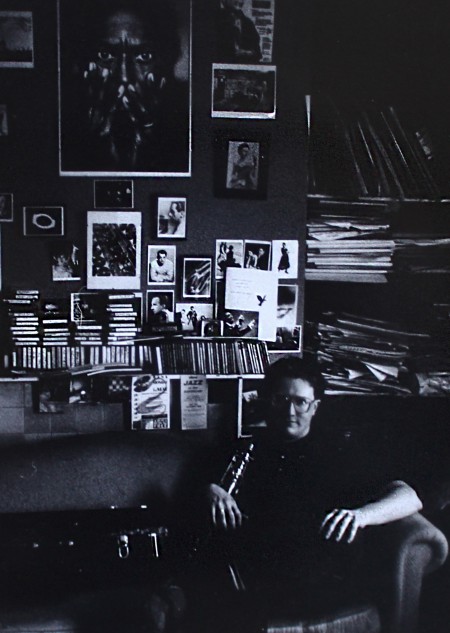
John Harle Studio c. 1986
Most, but not all, of the material is unreleased; some new, some vintage, some studio, some live – a sort of ‘alternative discography’. As Harle explains, “Abandoned strands of music are actually the most autobiographical for most musicians - pieces or demos left unfinished that leave traces of ideas and themes that occupy us for a lifetime, and reappear in successful work when the time is right. “
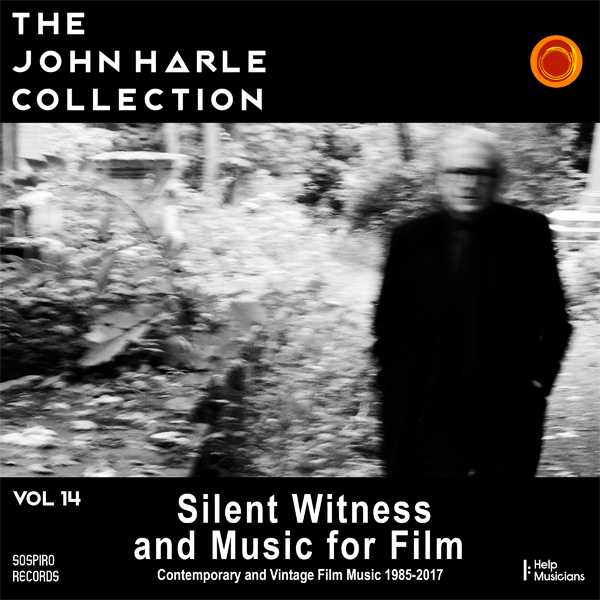
There is nothing random about these choices; each volume has been carefully curated to take the listener on a cohesive musical journey. Each album could potentially draw on recordings taken from across Harle’s entire works from different periods and different musical settings from 1977 to 2020. For example, Harle has been a prolific composer of film scores throughout his career and Vol. 14 – Silent Witness and Music for Film is a collection of his work from avant-garde silent movies of the 1920’s to Hockney in 2014 while a new version of his Silent Witness theme - an electronic reworking by his son, also a musician, Danny L. Harle – reappears on a different volume.
Elsewhere in the collection we find never before released collaborations with Elvis Costello and albums that concentrate on premiere performances of classical works; Harle’s saxophone quartets; his relationship with jazz; Harle’s concertos and The Berliner Band, which preceded The John Harle Band. There are also collaborations with Will Gregory (Goldfrapp) and Adrian Utley (Portishead).
This is just a small selection of what’s on offer in this glorious 20 CD collection and there is so much more to enjoy, from Harle’s work with Richard Rodney Bennett, his forays into forgotten musics, his orchestral and chamber music – there’s even a volume of his lounge music!
John Harle and Sospiro Records will donate all the proceeds they receive from the sale of digital albums and CD Collections to the Help Musicians Coronavirus Financial Hardship Fund Phase 2. This is a charitable fund created to help musicians with the financial pressures they may face as a result of COVID-19. Harle is acutely aware that composers are able to generate income in most situations; yet, this is not the case for solely performing musicians.
By compiling this collection during lockdown, Harle found a good place for his usual energy for work and used the results to generate income for the charity.
“To feel that I’m doing this work in aid of something current and urgent not only gave me the energy to undertake the patient, slow work needed to make sense of a lifetime of music,” he says, “but gave me the confidence to be bolder than I would have been if I’d been releasing these albums ‘for profit’. Things that I may have left out of the collection are here, warts and all!”
Siân Williams and Julie Allison
THE JOHN HARLE COLLECTION
John Harle interviewed by Siân Williams of Riotsquad
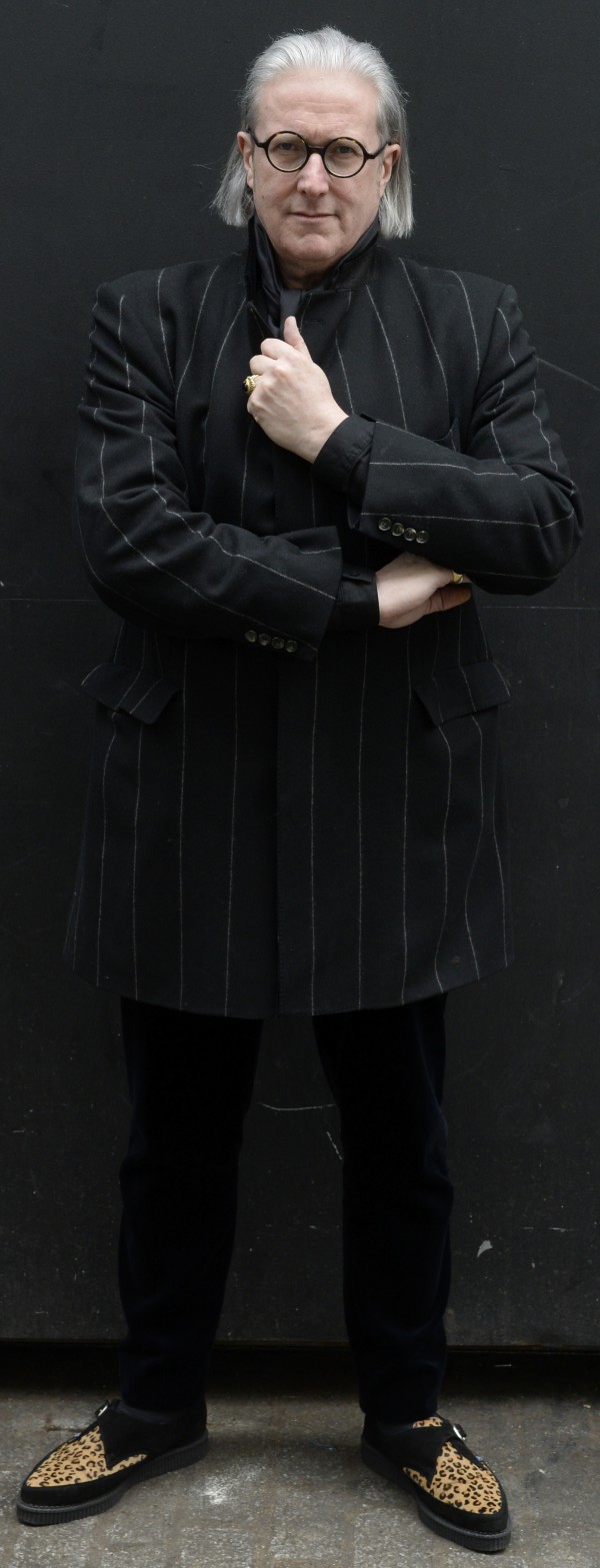
The Range of the Collection
What is immediately noticeable about the collection is the range of the music, Both as a player and composer you seem to be involved in almost every type of music I can think of!
Growing up professionally through the ’70’s and ’80’s, I was example of the type of ‘new musician’ who approached music from all genres. The shackles of intense specialisation were beginning to be lifted and there was a new group of musicians who played and composed anything in any genre. But putting labels on this new wave of musicians was always troublesome - you could be a polystylist, a multistylist, a crossover musician or an interdisciplinarian - all these labels actually mean the same thing in music - you see the best in what there is and what you like, and bring it together into a personal style.
For me, this wasn’t an entirely random appreciation of all musics into a messy melting pot - it was, and is, my musical personality, professionally and privately. I seemed to be able to bring something of the freedom of jazz to classical performance and composition and something of the structure of classical music into jazz performance and composition.
If anything, I seem to specialise in not being fully at home in any genre, which is interesting objectively, but not an easy place to be. I had the impression that there were ‘specialists’ in each genre who could and would outrun me all the time - but this changed in time, when my own work was recognised for offering something that wasn’t easily found in other examples of multi-genre work. I think that may have been one of the reasons I worked with Paul McCartney for such a long period - by that time I’d developed a useful facility in all the areas of music he worked in.
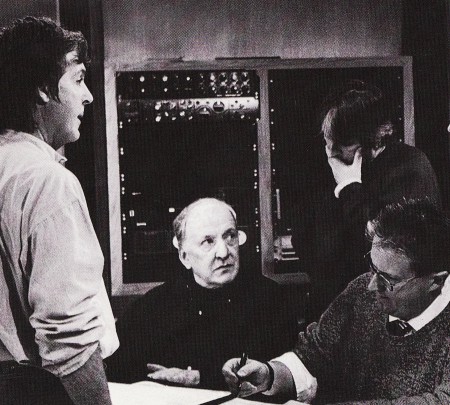
L-R Paul McCartney, Richard Rodney Bennett (orchestration), John Fraser (producer) and John Harle (doing the actual work) c. 1997
I suppose it also to do with the time-lag between where a musician thinks they are at any one moment and a public perception of what that musician represents. It’s a very slow process, and overflows with opportunities for doubt and serious self-analysis! It’s quite a lonely place to be, as the whole thing is bound up with the strength of the idea you’re currently working on. New ideas and clear concepts are the currency of this area of music.
You were the first person at London’s Royal College of Music to graduate with a final mark of 100% - so something was obviously going right! I think Nigel Kennedy did the same thing a year later?
The musicians weren’t the problem - they all knew that there was great music in every conceivable style - it was the way music was pigeon-holed in record shops and within the classical hegemony that made me seem odd and feel ill at ease for being the type of musician I represented. Before the genre of ‘Contemporary’ was thought up as a subdivision for albums (which originally meant ‘crossover’) my records would get put into the Jazz or Classical sections, or both. It’s even true nowadays to an extent - the new collection of 20 albums is in the ‘Classical’ genre as a convenient label, even though half of it isn’t classical music.
In the earlier days, the classical establishment didn’t get (or was threatened by) the freedom that jazz musicians brought to performance, and the perceived level of democracy within jazz, and that’s never been an easy concept for those entrenched in the hierarchy of classical music. The idea of jazz as ‘light music’ was the often-used polite put-down, but of course the function of music as entertainment existed before 1900! Anyone looking even half-objectively at the rag-tag and bobtail outputs of Mozart or Handel can see this.
What’s your own attitude to your own music and the performances in the collection?
I often come at music from the point of view of what my Mum and Dad would like - and they had modern, swinging and a universal appreciation of all types of music. This makes me a brutal self editor. So I use my own type of listening to edit and produce - i simply think, what doesn’t bore me? - or what wouldn’t bore my Mum and Dad?
In a sense, music dictates my emotional life, unfortunately. Like everyone of my age (64) I can get huge surges of nostalgia when listening to surprisingly odd things - John Dankworth film scores for Joseph Losey, 1960’s and ’70’s Duke Ellington, bits of The Beatles, Manfred Man, Michel Legrand, 70’s Pink Floyd. Early Harry Birtwistle does the same thing, as does any Alban Berg. I suppose this is also a very brief outline of the music that’s at my very core.
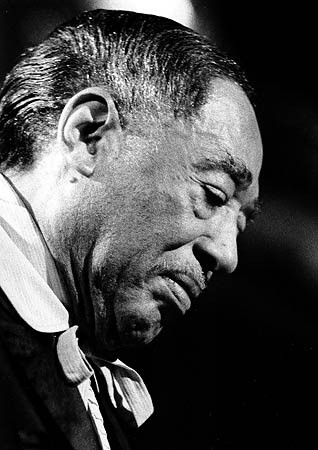
Duke Ellington c. 1972
I’m quoted as saying that “a saxophonist inhabits the shadowlands of music” - but it’s in these shadowlands that the good stuff is. The ‘otherness’ of the saxophone is a license to play in the roped-off areas - the darker side of music. The saxophone is always ‘the thing against’. Maybe this is the reason that my first opera was about John Dee, although I have to say it was Harry Birtwistle that suggested I do that when he gave me a book in the National Theatre canteen and said “you need to know about John Dee.”
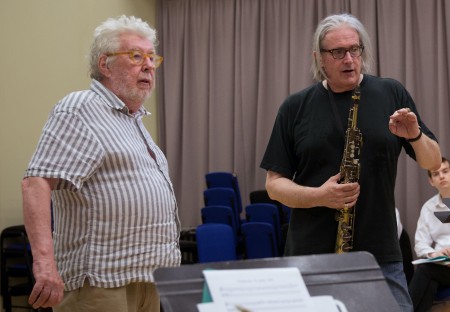
Sir Harrison Birtwistle and John Harle in Rehearsal c. 2018
On the performances in the collection, I have to say that I sometimes found it hard to recognise myself - some of the performances have a freedom of expression that happens when a performer is free of the anxieties that affect everyone as they get older. I found this to be strangely sad. No matter how good you are as a technical player (and here I am on the other side of writing the biggest book produced on saxophone playing and performing in my sixties) there is something about the freedom of youth. This is one of the reasons that I’m so hopeful that the current digital revolution will produce players and composers for whom recording their music is second nature. I hope that they are able to record themselves at their peaks and hold on to the evidence! The only bit of the jigsaw that needs to be emphasised is to keep archiving all your work, as one day you’ll find something that pays off, or you can re-release, and wouldn’t it be a shame off you couldn’t find it!
Surely your classical music is the place where he has reserved his most personal of musical thoughts?
Actually not - it’s all just part of the same thing. There is a a version of my melodic and harmonic world in each genre in the collection. I suppose that my choice of the saxophone at an early age drew me to a form of melodic writing in all styles - but I just try to write music that I can live with, and that’s quite difficult! It’s not out of disrespect for classical traditions and musical architecture so much, it’s just I write music in one frame of mind (a vision of what the music is) and then edit it in another frame of mind, which is usually what I can bear to listen to.
The Coronavirus lockdown has proved to be a creative time for you. With no performances and face-to-face teaching at Guildhall, you’ve had to become adept at developing new teaching methods through Teams or Zoom - and produced twenty albums.
In lockdown, as everyone started a steep learning-curve on digital communications, it was clear to me that the one area that a musician could continue with business-as-usual was recording and producing. It’s why I started to seriously look plan this album collection and connect it to something positive through Help Musicians.
I had always wanted to release my archive as a resource, mainly for music students, but for anyone interested. The difference between that and the new album collection is the curation of the music into album formats, and at that point I saw the value of my archive as a series of albums.
Covid has been an interesting time as we all look at the musical world and try to imagine what the outlook will be in the medium and long-terms. Clearly, live music will struggle to get back to where it was, both for musicians and promoters. However, as I said, I’m pretty sure that there will be a higher percentage of young musicians who see audio and video production as a natural part of their skill-set in the future than there would have been pre-Covid. And with this growth in the amount of music produced, there is the opportunity for a new renaissance for high quality music in all genres, including classical - especially for smaller labels if they anticipate trends in music consumption.
It’s an example, like the first renaissance, of re-configuring the landscape after a crisis, and the musicians who can stay ahead of the curve and anticipate trends in the distribution of music could be the musical leaders of this new renaissance in recorded music.
There’s also an opportunity for the decentralisation of music away from the big three industry players and for more voices to be heard. Imogen Heap is a prime example of that. She’s stayed ahead of the game by embracing technology and creating opportunities for musicians through blockchain technology with Mycelia and the Creative Passport, which connects music creators and performers with artist representatives and music distributors outside of the mainstream.
So how did The John Harle Collection come about in a practical sense?
I’m quite an organised person, and have collected tapes of live performances and studio recordings since the beginning of my career. I’ve always wanted the chance to go through what there is on that shelf, and lockdown gave me that opportunity. Early on, I enlisted the help of Simon Haram, a fellow saxophonist and a mastering engineer, to help bring the tapes back to life. Some existed on multitrack analogue tape, 1/4 inch analogue (or even cassette) and digital formats such as DAT, DA8 or older WAV files. Simon has used this period to give free IT help to his many clients and to help with the tidying up of tapes for this collection. He’s also an incredible saxophonist and is a featured musician on Vol. 8 of the Collection, Gothic.
I’ve been lucky enough to build a catalogue of composed music that offers me income whatever the situation, but I’m also equally aware that this may not have been the case if I was solely a performer. The situation of the lockdown and the pandemic for many freelance musicians and actors is completely dire. This may be irreversible in many cases as talented people look to other forms of work to provide money. This is a tragic situation, and is made worse by Government guidelines on applications for the Self-employment Income Support Scheme, with many musicians not qualifying.
My usual energy for work found a good place during lockdown as I thought that I could use the results of many of the musical projects I’ve been involved in over the last forty years to generate income for the Help Musicians Coronavirus Hardship Fund.
To feel that I’m doing this work in aid of something current and actually urgent has given me the energy to carry on though the patient, slow work that you need to do to make sense of a lifetime of music and the tapes that I’ve collected.
This charity ‘mission’ has also given me confidence to be bolder than I would have been if I’d been releasing these albums ‘for profit.’ Things that I would have left out of the collection, like tracks I produced with Adrian Utley (Portishead) and Will Gregory (Goldfrapp) are there, warts and all. The warts are the fact that I never did anything with these tracks, and the. singing voice is my own voice from the demos…
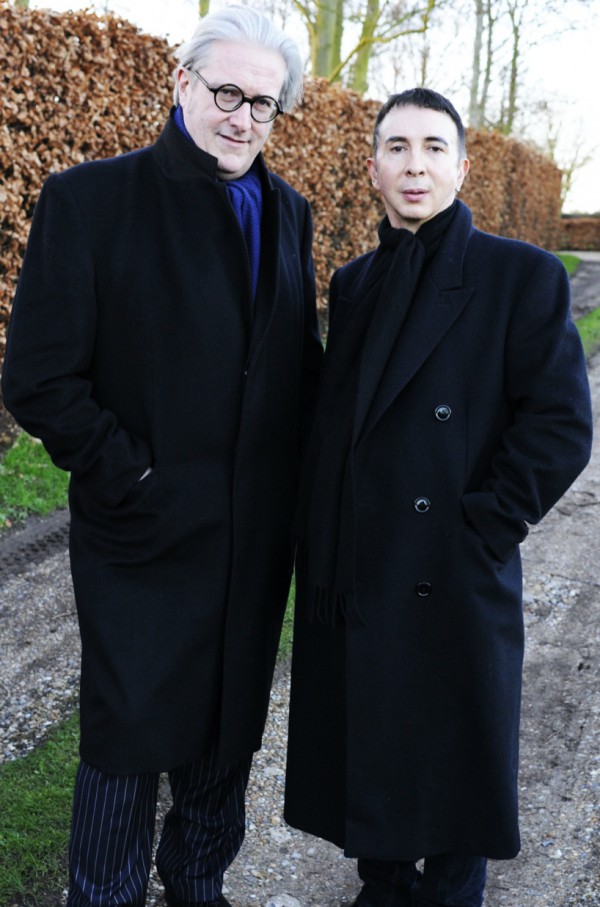
John Harle and Marc Almond
The musicians involved in these recordings have, down to the last, allowed me to just carry on with this work and release the music, when it could have gone otherwise. I am grateful to all of them for allowing the project to happen. Doing this work has also given me an opportunity for overview of some of my collaborators over the course of the last forty years - and all of them have given the go-ahead. Edward Blakeman at the BBC, Michael Nyman, Elvis Costello and Marc Almond have all been incredibly encouraging as well.
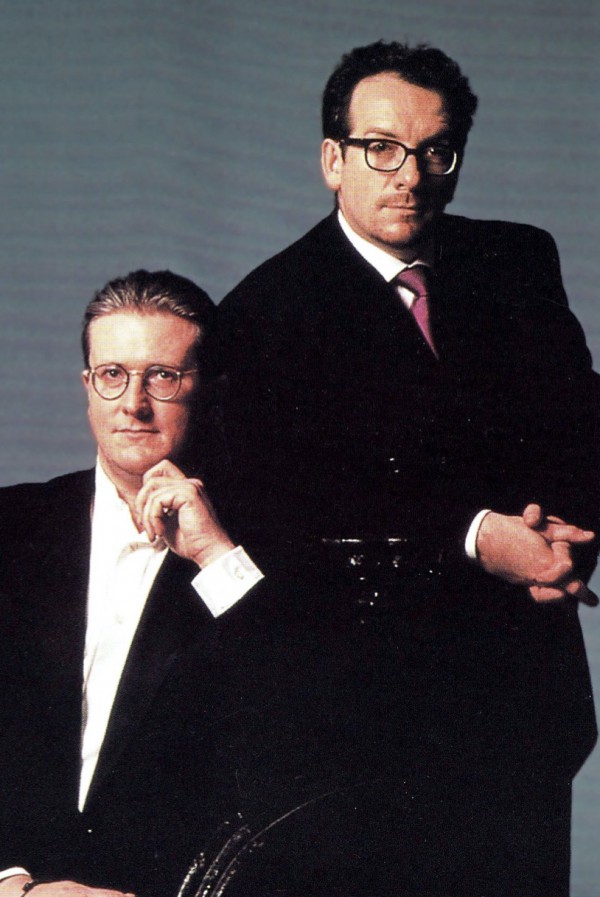
John Harle and Elvis Costello
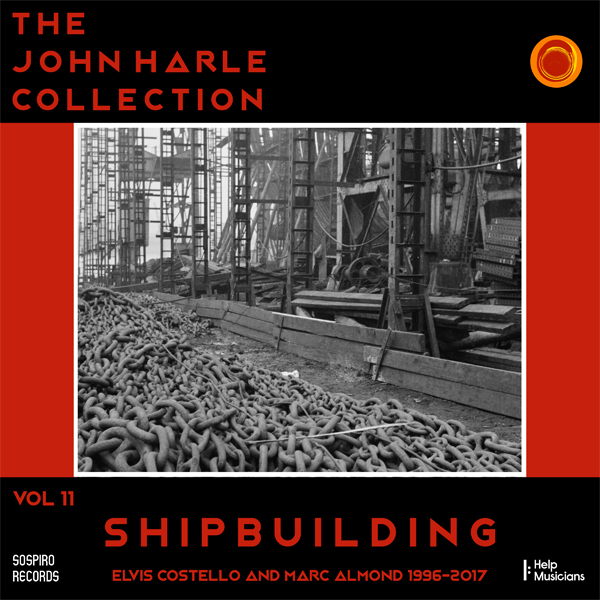
There are some new major performances by Elvis Costello in the collection.
These are from a live concert tour with my band in 1997. The song Shipbuilding is, probably unexpectedly, the most moving track in the collection for me. The intensity of my reaction to the song really took me by surprise, as the song lyrics also represent the experience of my family over seventy years, and I found myself unable to carry on with it until I had recovered.
This song resonated in me from the time of the Second World War, through my father’s experience to my own life, and to think how my own situation had changed since then, and what my life might have been without my father’s determination to drive his own family out of the poverty he suffered as a child. It was as if the song had been planted in this collection to give me the strength to look at my reality, and carry on with the collection. So, despite living the life of an artist with all the privileges that brings, I am only two generations away from poverty and manual work on the shipyards of the Tyne.
My Grandfather (also John Harle (1872-1938)) was a Big Lathe turner at ’29 Shop’ at Armstrong Whitworth (a division of Vickers-Armstrong) on the Tyne. Being a turner meant that you turned big things around, and this was done by a physical, human power, not be a machine, for reasons I do not know. Armstrong Whitworth turners worked in a line, walking at the same pace for shifts of ten hours at a time without a break inside a freezing factory with only sliding metal doors between them and the river Tyne. My Grandfather worked the night shift, which was between nine in the evening and seven in the morning. It was common for turners to fall asleep during shifts, but this in itself was lethal.
Turning a huge Naval gun on a raised platform in 1936, my Grandfather fell into the turning machinery and suffered such acute injuries he never worked again. He was visited in hospital by representatives of Vickers-Armstrong, was given a cheque for £25 and told that he’d lost his job. He died of his injuries two years later, when my Father was fifteen.
My own Father had to leave school to work to keep the family, and this set the trajectory of my fathers life in political, social and family matters. So when it comes to where the energy came from to complete the musical task of the collection, it’s also partly here. It’s out of respect for my grandfather and father, and to make something that they would have been proud of.
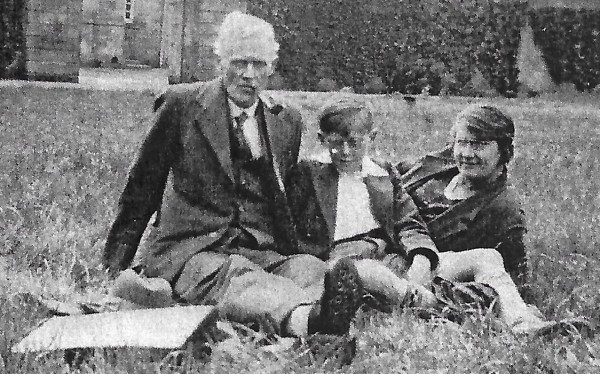
John Harle, Jack Harle and Evelyn Harle c.1932
The John Harle Collection Albums
Perhaps you can take us through the whole twenty-album collection?
I’ve curated each album from the point of view of a journey through the music within each album. I know this is old-fashioned in a world of single-track downloads and attention spans of a TikToc video, but I stick to it as a principle - so there’s nothing random about the shape of the albums.
I looked at the entire works both on my tapes and on my computers from various periods, and worked out what would make a coherent album collection and how each individual album could be constructed. It started at ten albums and by the time I got to the end, it was twenty! The collection also makes the assumption that listeners have a broadly-based appreciation of different musics, but even then I don’t expect everyone to want to listen to each album with the same intensity. I’m not sure that even I could do that anyway!
Vol 1 - Sultry Sunset (1996-2016)
John Harle with Richard Rodney Bennett and Steve Lodder
This is saxophone and piano music with two giants of the piano and it ends with music for saxophone and string quartet. Richard and Steve were and are two musicians of a very like mind, and were pianists from my second phase of duo work. On the album they’re both edgy and swinging, but they obviously have impeccable senses of the rhythm of music.
Vol 2 - Lush Life (1996)
John Harle and Richard Rodney Bennett with the Strings of the RPO
This is Richard and I really enjoying ourselves on an album that wasn’t released at the time we made it. There are some fabulous arrangements of lovely standards, and the RPO strings really showed off their silky, Hollywood sound. It’s in a classic genre of music, made famous by Charlie Parker with his Bird With Strings album of 1950, but there’s also some classical pieces on this album.
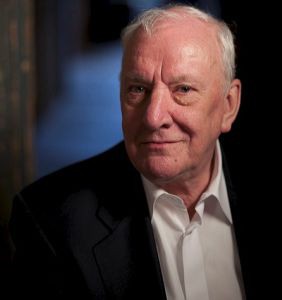
Sir Richard Rodney Bennett
Vol 3 - The Little Death Machine (1981-2013)
John Harle - Concertos with various orchestras
The Little Death Machine is my own concerto here, complete with ghoulish riffs and an edgy, urban sort of style. The recording is from the Proms in 2002. Bluebird is different, and was written for the RAF Central Band - it’s a piece in memory of the pilots who lost their lives on both sides of World War Two. The album is also made up from some early live recordings of classical concertos that I like.
Vol 4 - Sequenza! (1980-1990)
John Harle with John Lenehan
This album is really about premiere performances of classical works - the saxophone Sequenza by Berio in 1981 (World Premiere,) David Bedford’s Backings (World premiere,) and Denisov’s Sonata in 1980 (British Premiere.) The pianist on this album is John Lenehan, my original pianist from the ’70’s and 80’s.. What made playing with John an utter pleasure was (like Richard and Steve) an unfailing rhythmic propulsion.
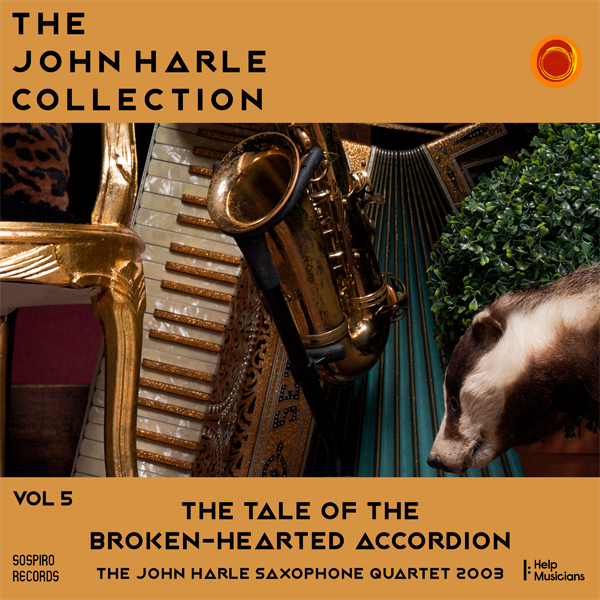
Vol 5 - The Tale of the Broken-Hearted Accordion (2003)
The John Harle Saxophone Quartet at St Giles,Cripplegate
Vol 6 - Melodies for Four Saxophones (1980-1986)
John Harle and The Myrha Saxophone Quartet - 2 Concerts at The Purcell Room
Vol 7 - Diversions (1977)
John Harle and The Myrha Saxophone Quartet Debut Live at St John's, Smith Square
Volumes 5, 6 and 7 are all about saxophone quartets. I’ve had two long-standing quartets and these three albums are curated to showcase the players and the music of the time. The Saxophone Quartet is a curious-sounding combination, and I’m not convinced by some of the existing repertoire, so these albums focus on what works for this type of ensemble. French saxophone music has had a bad press over a few decades now, but the quartet here by Alfred Desenclos is a masterpiece, and deserves to be heard. These albums are also about premiere performances, especially of what are now standard repertoire pieces by David Bedford, Javier Alvarez and Dominic Muldowney.
Vol 8 - Gothic (1988-1991)
John Harle and The Guildhall Saxophone Ensemble
Saxophone Ensembles have the same issue as saxophone quartets - the music has to be right or it fails. At the time of this album, I was working nearly full-time with Harrison Birtwistle at the National Theatre, and he was a major force in my appreciation of early music, and the possibilities for saxophones to play music that existed before the saxophone was invented. Here, I teamed up the Guildhall Saxophone Ensemble with trombones, original instruments and drums to create a new sound.
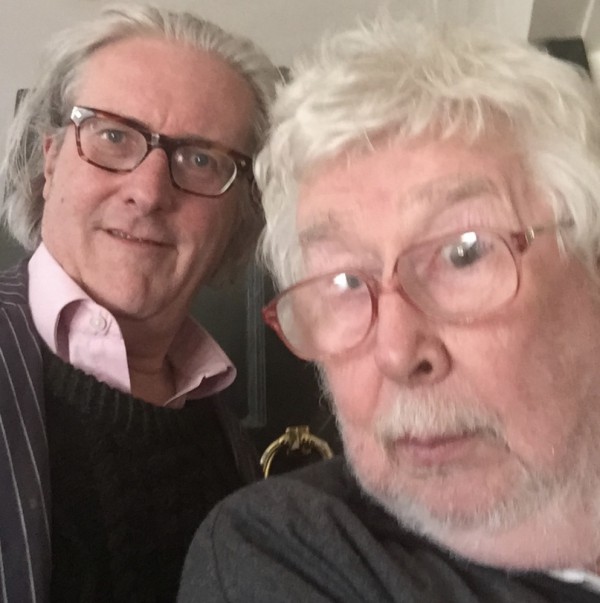
Vol 9 - Leviathan (1985-2013)
John Harle - Orchestral and Chamber music
This album focusses on my own music over a long time-span. Frank and Alice Go Boating, is from 1984, and was my original demo for George Martin and EMI , and recorded and mixed at Abbey Road. George was looking for another crossover ‘super-group’ like Sky or The Alan Parsons Project, and set me the task. He never told me the reasons he turned it down - all I know is that I didn’t get the chance to say “it’s like Decca turning down The Beatles” - because he didn’t turn down The Beatles. But there you are. I worked with George and Paul McCartney a lot after that, so perhaps all was not lost. Vasily Petrenko’s performance of my Leviathan with The Royal Liverpool Philharmonic Orchestra in 2013 is also on here, and this is a performance I’ll never forget.
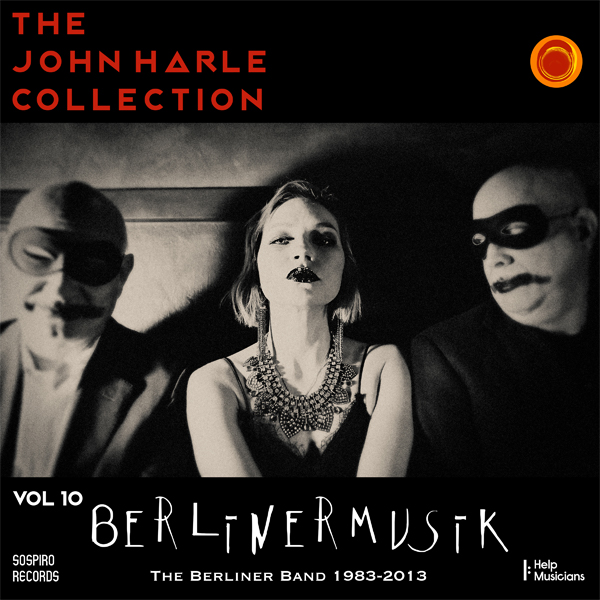
Vol 10 - Berlinermusik (1983-2013)
John Harle and The Berliner Band
The Berliner Band was my group from 1981 onwards, and preceded The John Harle Band. We focussed on political music, and the music of Kurt Weill and Hanns Eisler. The things that drew me to this world were working with Dominic Muldowney (also at the National Theatre) and the saxophone itself - the place of the saxophone in Weimar culture made it a new, exciting and edgy instrument. It’s an example of how I created music by simply looking at the instrument I played, knowingabout its history, and taking it from there.
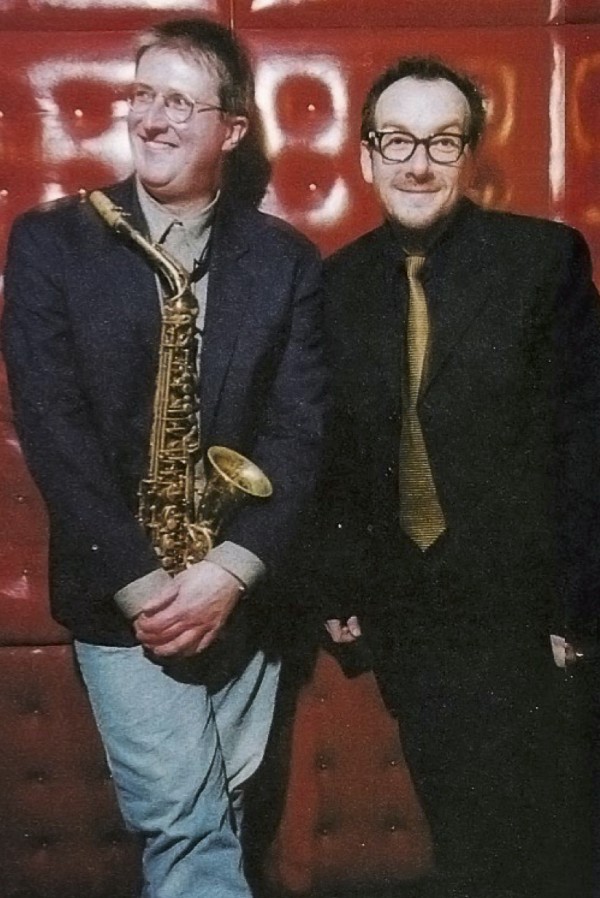
John Harle and Elvis Costello
Vol 11 - Shipbuilding (1996-2013)
John Harle and Elvis Costello live at the Royal Festival Hall, and with Marc Almond in the studio
These are two collaborators who I feel utterly privileged to have met and worked with. I learned so much from them, and their ability to embody music and words is beyond compare. Although I’ve written most of the music here, what I found to be common to both artists was that they would take away my music and come back to record or play live with complete personal ownership of the songs themselves. It’s a form of transference of authorship that you can hear in their every utterance.
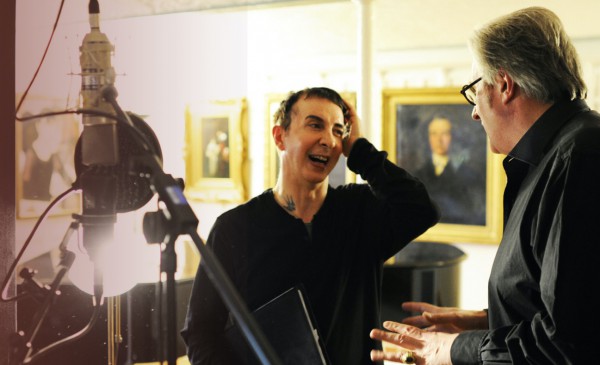
Marc Almond and John Harle
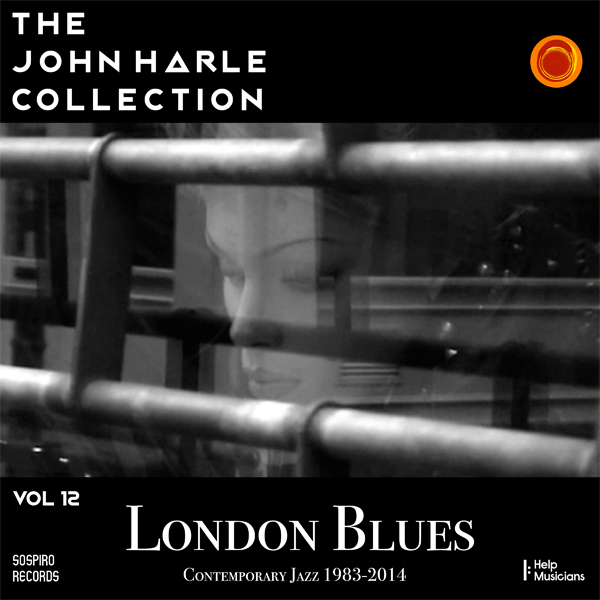
Vol 12 - London Blues (1983-2014)
Contemporary Jazz - The John Harle Band live at Bloomsbury Theatre and The Queen Elizabeth Hall with Studio Recordings
This band was my second group, and we were involved in a fusion type of band material. A live concert at the Bloomsbury Theatre in 1984 and studio recordings from various periods (including the score to Nobby Clark’s film London Blues) allows this album to explore the various relationships I’ve had with jazz over the years. Landscaper was co-written with Stanley Myers, and became a try-out piece for the Concerto he wrote for me a few years later.
Vol 13 - Progressive! (2005-2020)
Electronic Music by John Harle, featuring Adrian Utley, Will Gregory and Dux Content (Danny L Harle and A.G. Cook)
Progressive is a label that I’ve often been stamped with, and it means a lot of different things to different people. I think of my son (Danny L Harle) as a progressive musician, so to me it doesn’t just mean The Legend of King Arthur and the Knights of the Round Table (on ice) with rock group, choir and symphony orchestra. It means a frame of mind.
It means the courage to do something different, and be bold, yet still somehow produce music that some people might actually like. (Or a huge amount of people like in Dan’s case.) This album begins with Dan’s mash-up of my theme to BBC1’s Silent Witness.
Vol 14 - Silent Witness and Music for Film (1984-2017)
Music by John Harle, Michael Nyman and Erik Satie, with The Dreamland Orchestra and The Berliner Band
Music for film does what it says on the tin - a collection of music of mine for various films, from avant-garde silent movies of the 1920’s to a new version of my Silent Witness theme. Michael Nyman (who’s been a strong presence in my cultural life over many years) wrote my Berliner Band a score for Fernand Léger’s 1924 film Ballet Méchanique, and I have worked at the rough archive recording of its premiere in 1983 with Michael’s help to show how it was meant to sound. The recording still sounds pretty raw!
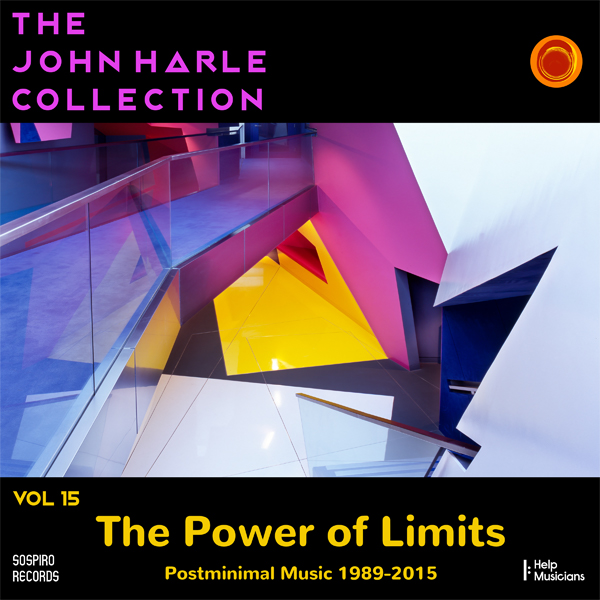
Vol 15 - The Power of Limits (1989-2015)
Music by John Harle with The Dreamland Orchestra and Sarah Leonard
Postmimalist Music for film, the concert hall and theatre - slowly growing music curated as a postminimalist playlist. Featuring Music for Architecture, Music for Film and Music for Pablo Picasso.
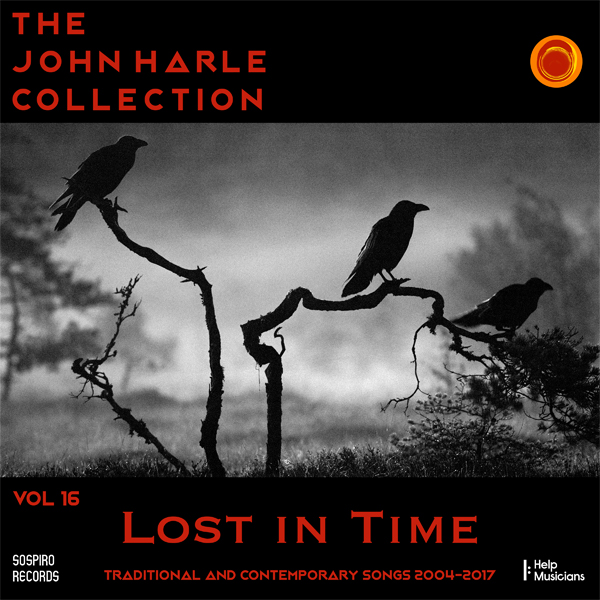
Vol 16 - Lost in Time (2004-2017)
A Vintage Songbook of Medieval, Renaissance and Contemporary Music
with John Harle and The Black Velvet Band.
Lost in Time represents forgotten musics. We need to be reminded of the power of song from the earliest days to the present, and my project with The Black Velvet Band was to re-awaken a consciousness of the lost world of traditional English singing through the voice of Harry Cox - possibly the most authentic and best of the traditional singers from Norfolk. Lucie Skeaping and Sarah Leonard also feature in my recreations of early song and nursery rhymes, including Byrd on a Bryere, possibly the first song in the English language.
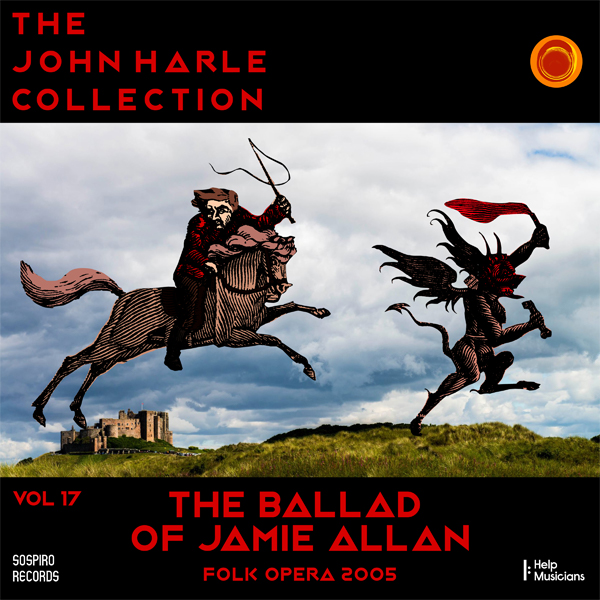
Vol 17 - The Ballad of Jamie Allan (2007)
John Harle and Tom Pickard's opera, The Ballad of Jamie Allan
A digital release of The Ballad of Jamie Allan. The work features Bill Paterson (Actor) Omar Ebrahim (Baritone), Sarah Jane Morris (Alto Voice), Kathryn Tickell (Northumbrian Pipes) Neill MacColl (Guitar), Steve Lodder (Piano) and The Royal Northern Sinfonia. This album is the result of my work with the poet Tom Pickard - it was his idea to write the opera, and it was commissioned by The Sage Gateshead for its opening season. Jamie Allan was a real person, but also a representation of the magical power of music to transform people. He was both a highwayman and the Duke of Northumberland’s piper.
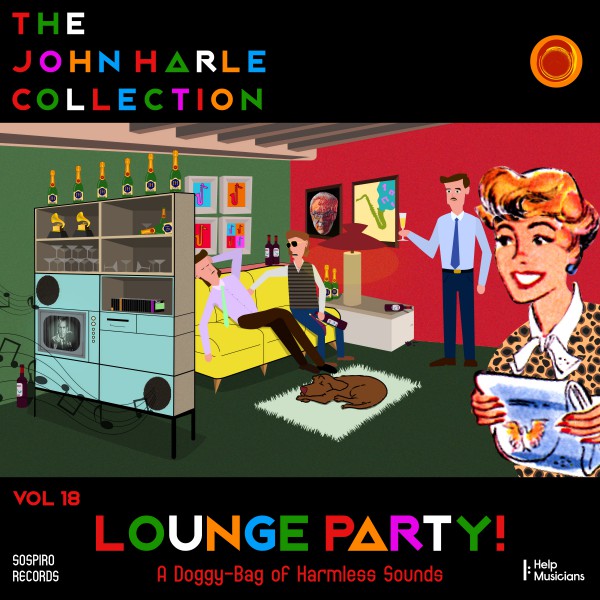
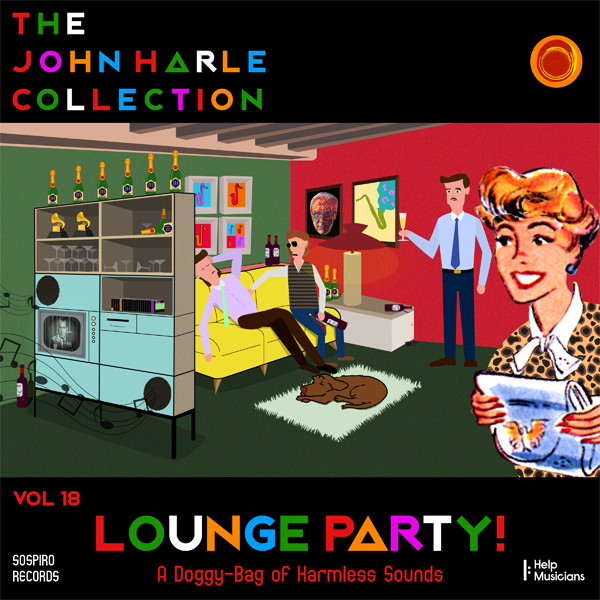
Vol 18 - Lounge Party! (2003-2018)
A Doggy-Bag of Harmless Sounds with John Harle and The Dreamland Orchestra
The humorous side of my musical output has produced many versions of what is called ‘Lounge Music’. I like it. So did both my parents. I remember sitting in our (by then) posh house in Newcastle listening to the Dudley Moore Trio, James Last, Hazy Osterweld and the Stereo Sampler records that came out at the time of the 1960’s stereograms. This has always been somewhere in my compositional make up, and I can’t help it!
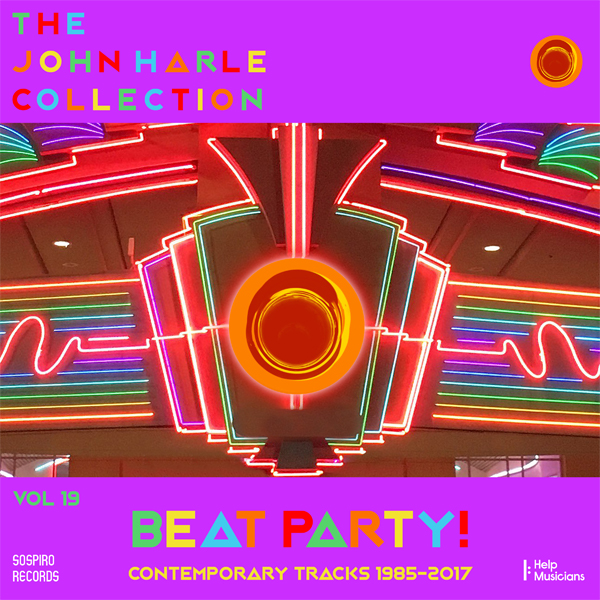
Vol 19 - Beat Party! (1984-1990)
Non-Stop Sounds with John Harle and Opera House
This album has a slightly retro-feel! My music for Nissan TV commercials in 1984 (Flying) went to No.1 in what were then the Dance Charts, and was record of the week on the Steve Wright Show, Flying is included here in 2 versions - the original and the dance version, along with music from the time played by session players (including Pino Palladino, now with The Who) in a fun and funky album.
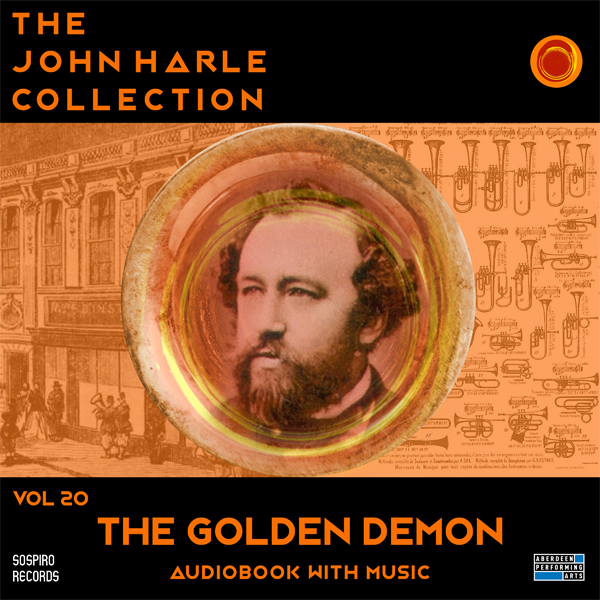
Vol 20 - The Golden Demon (1995)
A Radio Play with words by Neil Cargill and music by John Harle
This is mainly a spoken word record, and was inspired by Neil and my interest in the inventor of the saxophone, and what the evidence collected about his life told us about what type of person he was. He certainly craved acceptance for his instruments and made hugely powerful enemies. Michael Kitchen is Adolphe Sax (the inventor of the Saxophone) and Saskia Reeves is the saxophone itself in the play about the surprising and hugely eventful life of Adolphe Sax as he attempts to gain artistic acceptance and commercial success with his invention. I composed and played the music on Adolphe Sax's original saxophones made in 1848. This album is in aid of The National Theatre of Scotland's Scenes for Survival Hardship Fund.